Skip Hire in Maida Vale

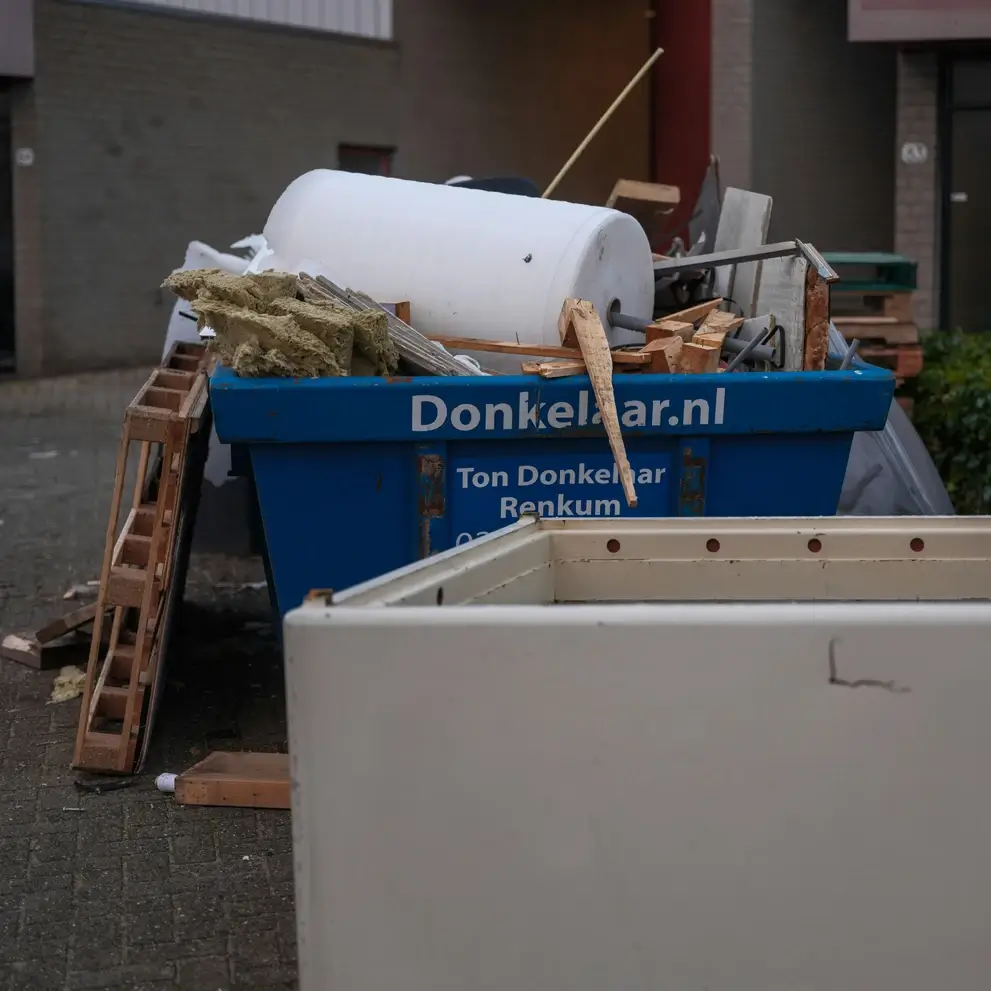
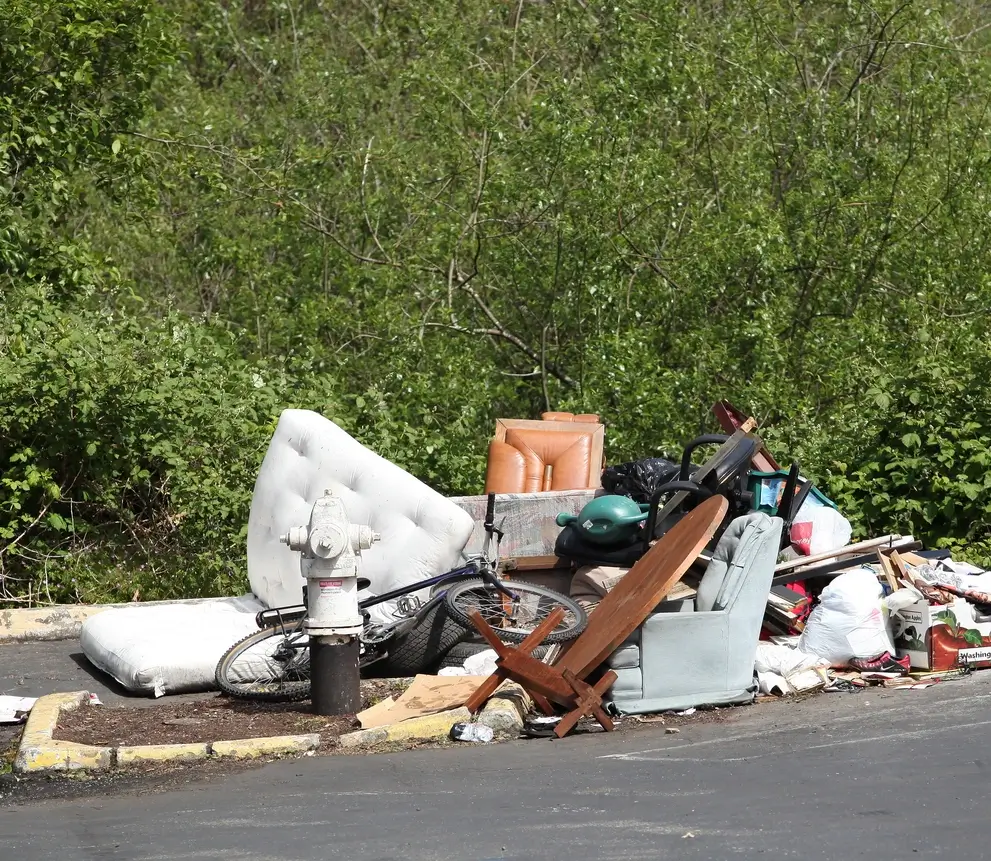
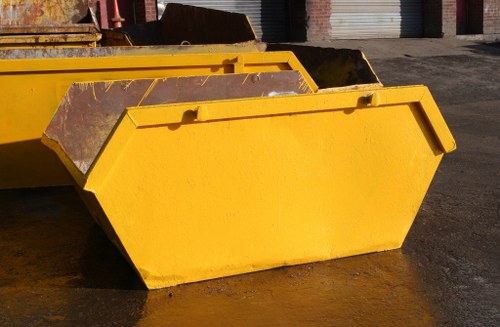
Skip hire in Maida Vale gives households, landlords and trades a straightforward way to manage bulky waste when bags alone are no longer practical. Our service supports clear, organised waste removal for home clear-outs, refurbishment work, garden jobs and building projects, with options that suit mixed rubbish as well as heavier inert materials. The aim is simple: help you keep a site orderly, reduce repeated trips to the tip and choose a skip size that matches the amount of material you expect.
We also make room for different collection needs, from routine domestic disposal to more focused trade use. If you are planning work that will produce timber, plasterboard, soil, packaging or general renovation waste, the right container can save time and help the job move with less interruption. Choosing the right skip matters because the load type, access and expected fill level all affect how smoothly the service fits your schedule.
For a quick start, think about what you are clearing, how long the waste will build up and whether the material is mixed or mainly one type. Then compare the available options, check any local permit needs and decide whether you want a standard drop-off or a more time-sensitive arrangement. When you are ready, request a quotation and we can help you narrow the most suitable service for your waste.
Domestic clear-outs and household waste
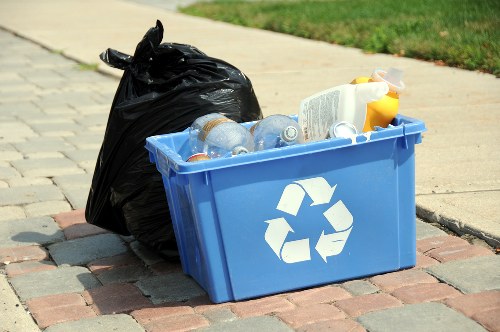
Domestic skip hire is often the easiest choice when a home project produces more waste than council bins can sensibly take. It works well for attic clearances, kitchen updates, broken furniture, old flooring and the general clutter that builds up during a move or a reset of the house. In practical terms, a skip gives you one place to gather waste instead of leaving it spread across rooms, driveways or garden paths. That can make sorting easier and the finish tidier.
Our domestic service is useful when the waste is varied, because households rarely produce one clean material stream. A room strip-out may include wood, packaging, plaster, plastics and fixtures all at once, so the key is matching the size and load type to the job. If the project is gradual, a skip can stay in place while you work through different stages. If the waste is already ready to move, it becomes a simple collection point rather than a source of delay.
For a neater household clearance, it helps to separate anything that needs special handling before loading begins. That may include items that cannot go in a general mixed skip or objects that should be removed through a different waste route. A clear plan usually keeps the work flowing, especially where access is shared, parking is tight or the rubbish must be moved through narrow spaces.
Builders, refurbishment and construction waste

Building work creates a different kind of waste challenge, and our builders skip hire page is aimed at that more demanding setting. Refurbishment projects often produce rubble, plaster, timber offcuts, packaging, broken fixtures and stripped-out materials in a short time. A suitable skip helps keep the work area safer and more manageable, especially when trades need somewhere predictable to put waste as the job progresses.
For larger renovation or strip-out work, it can make sense to think about the material mix before booking. Heavy waste like bricks and tiles fills a skip differently from lighter waste such as packaging or timber, and that difference affects how you plan the load. If you are dealing with demolition debris, a dedicated waste route can be more appropriate than a general household arrangement, because the volume and weight are often higher and the clearance pattern more frequent.
Useful preparation is usually simple: estimate the likely waste type, allow room for safe access and keep the load within the agreed limits. The builders skip hire service is designed around those practical decisions, while related support such as construction waste disposal and demolition waste removal can suit more specific project stages where material needs a targeted approach.
Flexible collection and site-focused solutions
Not every job is best served by a standard skip left in one place for several days. Some customers need a more flexible collection method because access changes during the day, the waste is generated in stages or the property layout makes a static container awkward. That is where options such as wait-and-load or grab-based removal can be useful, particularly for locations where parking or permit arrangements are difficult to manage for long periods.
Our service range also includes support for larger clearances where a site needs to be made ready for the next phase of work. This can be relevant to garden redesigns, office moves, property refurbishments and general site clearances, because each situation produces a different mix of waste and a different pace of loading. A good match is not only about capacity; it is also about how the waste will be gathered, who will load it and how quickly the area needs to be freed up.
If you are unsure whether a static skip, grab collection or a more immediate uplift is the better fit, it is worth comparing the access, the type of waste and the amount of time available for loading. A careful choice can prevent unnecessary handling and make the clean-up feel more controlled. Plan the collection method first, then work out the size or format that follows from that decision.
Skip sizes, load types and permit considerations
Choosing the right skip starts with understanding the waste itself. A small domestic tidy-up may need only a modest container, while a kitchen refit or multi-room clear-out may require something larger because the items are awkward rather than simply heavy. Weight, bulk and how neatly the waste stacks all matter. A load of compact rubble behaves very differently from a load of mixed light rubbish, so the best option depends on the material as much as the volume.
The available service pages on this site also point to useful decision topics, including skip sizes and prices, what can go in a skip and skip permits. Those pages help when you want to compare the practical limits of different loads, decide whether your waste is suitable for a skip and check whether roadside placement may need extra consideration. They are especially helpful if you are arranging work in a tight street or shared access area.
In many cases, a permit question is really an access question. If the container can sit on private ground, the arrangement is often simpler; if it must be positioned where vehicles or the public share the space, you may need to allow extra time for that part of the booking. Clear access notes make the enquiry easier to assess, while a rough waste estimate helps identify the right size first time.
About Maida Vale
Maida Vale is a residential district in West London, set within the City of Westminster and known for its broad streets, mansion blocks and tree-lined avenues. The area takes its name from the Maida Hill locality and has long been associated with late nineteenth- and early twentieth-century urban development, when much of the surrounding housing was laid out in elegant terraces and apartment buildings. One of the most recognisable features is the Regent's Canal, which runs along the eastern edge of the district and gives the area a quieter waterside character in places. The canal basin at Little Venice is closely linked with Maida Vale and is often noted for narrowboats, bridge crossings and the meeting point of waterways. The area also includes the Maida Vale Studios, a well-known BBC recording venue that has been part of the district's cultural identity for decades. Paddington Recreation Ground lies nearby and provides open space, sports facilities and trees that soften the urban fabric. Maida Vale's roads are generally arranged on a calm residential pattern, and its architecture includes a mixture of mansion blocks, stucco-fronted terraces and later infill buildings that reflect changing waves of development. The district sits within a wider part of west and central London that has strong transport links, yet it retains a distinct local feel through its waterways, residential squares and long-established neighbourhood streets.
Domestic, trade and specialist waste routes

Some projects need more than one type of waste solution. A homeowner clearing furniture may need one approach, while a contractor stripping out fittings or removing old building materials may need another. That is why it helps to think in terms of waste route rather than just container size. The service can support general domestic work, trade workloads and specialist disposal where the material needs closer attention or a different collection method.
For example, garden projects create a very different load from kitchen demolition. Soil, branches and turf behave differently from tiles, plaster or packaging, and each has its own handling logic. Our related pages on garden waste removal, builders waste removal and site clearance show how the waste type can guide the most sensible solution. In some cases, a skip remains the simplest answer; in others, a more targeted service is the better fit.
It is also useful to separate ordinary mixed rubbish from items that may need specialist disposal. That distinction matters for safety, sorting and the final transfer of waste. If you are dealing with materials that require separate treatment, such as very heavy, bulky or controlled items, it is worth checking the relevant service details before loading begins. Matching the route to the material usually reduces complications later.
Home, garage and loft clearances
Clearance work often starts in overlooked storage spaces. Garages, lofts, spare rooms and cupboards can all fill with broken items, boxes, old appliances and unused possessions that take time to sort. A skip gives you a central place to work through those items methodically, especially where the clearance is combined with redecorating or moving house. It can also help you keep the usable items separate from the waste, which makes the task feel more structured.
The service pages for garage and loft clearance, house clearance and office clearance are useful if your project has a more defined setting. They reflect different clearance patterns: domestic storage spaces, whole-property contents and workplace items. Each one brings a different balance of bulk, access and sorting, so the right waste arrangement should follow the kind of clearance rather than a one-size-fits-all rule.
When planning a clearance, it helps to group waste in advance where practical. That may mean setting aside reusable items, separating anything that needs careful handling and keeping pathways clear for loading. If the waste will be generated over several days, it is worth thinking about how much room you need for ongoing sorting as well as for the container itself. Order at the start usually makes the rest of the job easier to manage.
Commercial premises and repeat waste needs
Commercial customers often need a waste arrangement that is predictable and easy to work around. Offices, shops, landlords and property managers may all produce waste in bursts rather than all at once, and that means the collection method has to fit ongoing use of the premises. A skip can support refits, clearance work and short-term projects, while other options may be better where access or timings are more constrained.
For business sites, the main decision points are usually the type of waste, the pace of the work and whether the premises stay open during the clearance. If you are stripping out an office or emptying a commercial unit, items may include desks, shelving, packaging, fittings and mixed general rubbish. Our commercial skip hire, office clearance and man-and-van pages offer different ways to think about that workload, depending on whether you want a container on site or a more direct removal approach. commercial skip hire can suit organised works where waste needs to be gathered over time.
For repeated or multi-stage jobs, the simplest plan is often the most workable. Decide what can be loaded safely, whether anything should be separated before collection and how much interruption the premises can tolerate. Then choose the service that lets the job continue without unnecessary handling. If you need to compare options or check which route is best for your premises, pricing and quotes is a sensible place to begin. Request a quotation when you are ready.
Recycling, reuse and responsible sorting
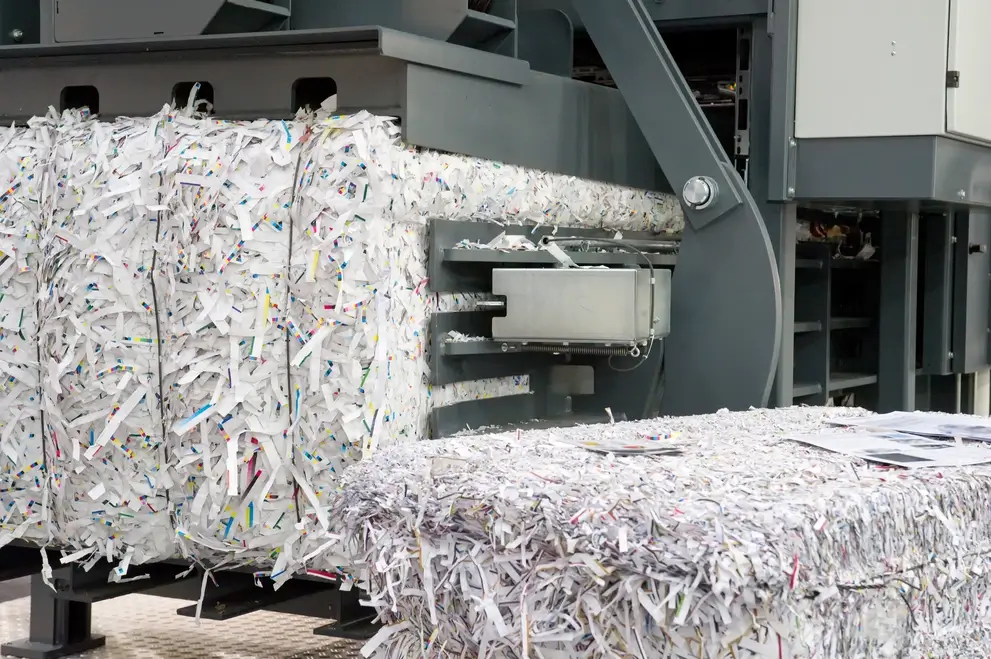
Skip hire is not only about getting waste away; it is also about making sure the load can be handled responsibly after collection. Mixed waste often needs sorting before final processing, and some materials are better kept separate from the outset. Clear loading habits can help improve the quality of the waste stream, especially when one project produces a variety of items such as timber, metal, board, soil, plastics and packaging.
The website's waste recycling services and recycling and sustainability pages are relevant if you want to understand how collected waste may be directed onward. They are also useful when you are deciding whether to divide materials before collection. In practical terms, better sorting can make a load easier to manage and can reduce the chance of placing unsuitable items into the wrong container.
It is sensible to keep an eye on the basics: do not overload the container, avoid placing prohibited material in with general waste and think about whether any items can be reused before disposal. That approach is especially helpful on larger projects where waste builds up gradually and different trades may add different materials to the same pile. A little structure at the loading stage can make the whole process more efficient.
Booking details, access and final quotation
Before you ask for a quotation, it helps to have a rough sense of the waste type, the likely volume and where the container or collection vehicle can be placed. That does not need to be perfect. A sensible estimate is usually enough to indicate whether a standard skip, a specialised collection or a permit-aware arrangement is the better fit. If you are comparing more than one option, the main aim is to keep the information consistent so the quote reflects the same job each time.
A short note about access can also be valuable. Narrow roads, shared entrances, limited parking or timed loading windows may affect the most suitable service, particularly in an urban area with mixed residential streets and busier through routes. If the waste is generated in stages, mention that too, because it may point towards a different arrangement from a one-off drop-off. You can also review book online if you prefer to move straight into the next step after checking the service details.
When you are ready, send the job details through and ask for a quotation in plain terms. If you want to compare the service pages first, that is sensible too, because a clearer brief usually leads to a better match. Speak to us today if you are planning a skip for your Maida Vale project, and request a quotation once you have chosen the most suitable waste route.